

Something to Ponder on This International Day of Older Persons 2026
Once again, October is here, reminding us to pause and celebrate the International Day of Older Persons—but perhaps more importantly, to reflect on what growing older really means for the people of Kerala. As the number of older people in the state continues to rise, our understanding of eldercare is also changing.
The traditional family caregiving model is disappearing rapidly, particularly with the growing “Parents in Kerala, Children Abroad” (PKCA) phenomenon. Increasingly, families are searching for safe, dignified, and professionally supported ways to care for ageing parents. For many younger Keralites, informal home-based care is becoming increasingly difficult, while the words old-age home, retirement community, or senior care facility are gradually becoming synonymous with the place where their grandparents or parents may eventually live. There is nothing inherently wrong with residential care. When family care is no longer sufficient to ensure an older person’s safety, health, dignity, and quality of life, assisted living or long-term care can provide security, companionship, and continuity of care. But there is another reality we must confront. Who will provide this care, and who will be able to afford it in the long run? Kerala already faces a growing shortage of caregivers as young and middle-aged men and women leave the state and the country in search of opportunities. At the same time, residential care comes with a cost and that cost can increase substantially as an older person develops chronic illnesses, disability, sensory impairment, dementia, or frailty. How many families will be able to sustain those expenses for years, or even decades? These questions make me wonder: Must the ageing journey really have only two destinations; living independently at home or moving into a senior care facility? I believe it is time for Keralites to think differently about the future of eldercare.
Perhaps the answer lies in creating the “missing middle”—a flexible continuum of community-based services that can support older people where they live, strengthen families and informal caregivers, provide respite and professional assistance when needed, and gradually increase the level of support as an individual’s needs change. The future of eldercare may lie in building communities where older people can remain connected, supported, safe, and valued for as long as possible,while care comes to them, rather than waiting for them to move somewhere else. This International Day of Older Persons, perhaps this is the conversation we need to begin—not simply about where older people will live, but about how Kerala will care for its growing older population in the years ahead.
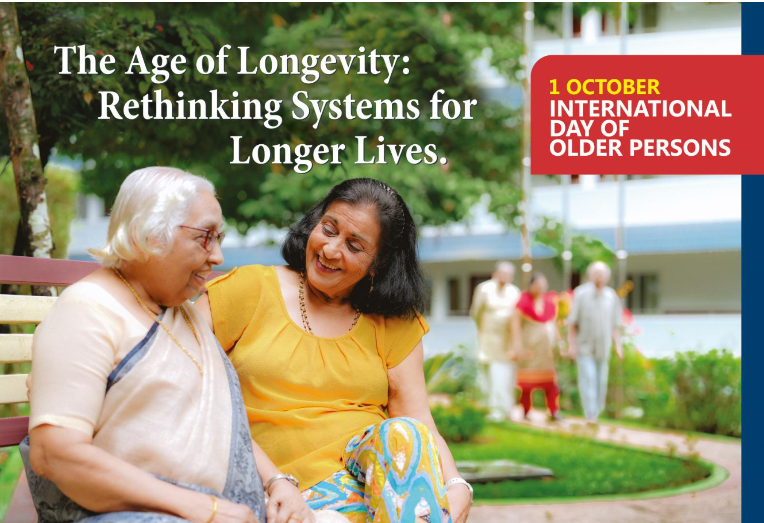
Today, on the International Day of Older Persons, let us remember that growing older should never mean losing dignity, independence, or respect.
Older persons are an important part of our families and society. They carry years of experience, knowledge, and valuable life lessons
Empowering older persons means giving them opportunities to stay active, independent, and involved in the community. It also means listening to their needs and respecting their choices.
We have a responsibility to protect older persons from neglect, abuse, discrimination, and loneliness. They deserve safe surroundings, proper healthcare, emotional support, and above all, love and respect.
Let us not only care for older persons today, but make respect, protection, and inclusion a part of our everyday lives.
Let us honour their past, value their present, and support their future. Happy International Day of Older Persons! ❤️
Dr Varughese definitely raises some gaps in eldercare that requires further exploration. The “missing middle” in terms of community based services can solve many problems. Firstly the rising costs of formal care in residential care homes which is generally unaffordable for the vast majority. And, secondly the emotional burden on informal caregivers in caring for frail.loved ones. The missing option could address both these problems and pave the way for future eldercare.
Thank you Nevashini for your post.
Your work as an SW among seniors in that beautiful country is truly amazing. Glad I was able to experience it firsthand.
It’s wonderful to see how the article has inspired all my colleagues to pause, reflect, and re-evaluate how we can continually enhance the lives of older adults from better to truly best, with each passing day. Your thoughtful reflections and commitment to making a meaningful difference are truly inspiring. Thank you all for being part of this important conversation and for the inspiration you continue to share.
Thank you Honey for your feedback. Your dedication and sincere work among seniors is highly appreciated.
So well said Dr.Renu,
True care is not about moving our elders elsewhere, but ensuring they remain connected, valued and cared for right where they belong.
Thank you Maggie- I am so inspired by your work among seniors in Kenya
It is wonderful to note how the article has inspired all my colleagues to pause, reflect, and re-evaluate how we can continually enhance the lives of older adults from better to truly best, with each passing day. Your thoughtful reflections and commitment to making a meaningful difference are truly inspiring. Thank you for being part of this important conversation and for the inspiration you continue to share.
A thoughtful perspective on how Kerala’s approach to eldercare needs to evolve. The idea of a “missing middle” between independent living and residential care is especially worth thinking about. A meaningful read for International Day of Older Persons.
Thank you Anandh
It is wonderful to note how the idea of “missing middle” caught your attention and was worth pondering on this special day of seniors. Thank you for the post
Thanks Dr. Renu to write on the reality we must confront.
Thank you Smily for commenting on the article. Glad you liked it.
Very apt for the current scenario in Keralam. Please keep writing. The common people need to know about the real facts
Hello Miriam
Thank you for reading and commenting on the article. Glad you liked it.
ഇതു ഈ കാലത്തു എല്ലാവരും ചിന്തിക്കേണ്ട ഒരു കാര്യം തന്നെയാണ്. വരും കാലങ്ങളിൽ സീനിയർ കെയർ സെന്ററുകൾ വർധിക്കും എന്നതിൽ യാതൊരു തർക്കവുമില്ല. എന്നാൽ അതിനു വേണ്ട സഹായക തലങ്ങൾ വികസിതമായോ ഫല പ്രാപ്തമായോ കൊണ്ടുവരാൻ നമുക്ക് കഴിഞ്ഞിട്ടില്ല. നഷ്ടപ്പെട്ടുപോയ ആ ഇടം കൂടുതൽ സുരക്ഷിതവും ഊഷ്മളവും ആക്കാൻ കഴിഞ്ഞാൽ, ആ പദ്ധതികളെ യാഥാർഥ്യം ആക്കാൻ കഴിഞ്ഞാൽ വയോജനങ്ങളെ സംബന്ധിച്ച് ഒരു വലിയ കാര്യം ആയിരിക്കും.
Thanks Merly. Good insight. Hopefully we all would be able to consider various options for elder care, which is person- centered for positive health outcomes. Congratulations and best wishes to continue with the in senior care program you are enrolled in currently.
നന്ദി, മെർലി. വളരെ നല്ലൊരു ഉൾക്കാഴ്ചയാണ്. വ്യക്തികേന്ദ്രിതമായ പരിചരണത്തിലൂടെ മികച്ച ആരോഗ്യഫലങ്ങൾ കൈവരിക്കുന്നതിനായി മുതിർന്നവരുടെ പരിചരണത്തിൽ വിവിധ സാധ്യതകൾ പരിഗണിക്കാൻ നമുക്കെല്ലാവർക്കും കഴിയുമെന്ന് പ്രതീക്ഷിക്കുന്നു. നിങ്ങൾ ഇപ്പോൾ ചേർന്ന് പഠിച്ചുകൊണ്ടിരിക്കുന്ന സീനിയർ കെയർ പ്രോഗ്രാമിന് അഭിനന്ദനങ്ങളും തുടർന്നും വിജയാശംസകളും നേരുന്നു
Very good findings, and suggestions are highly realistic
Thank You Sir. Wishing you the very best for all your endeavors in the senior care sector.
A very timely and thought-provoking reflection on the future of eldercare in Kerala. Caring for our elders is not just a family responsibility but a shared social commitment. We must build community-based support systems that preserve their dignity, independence, and sense of belonging. The “missing middle” offers a promising way to bridge the gap between home care and residential care.
Thank you Mr. Prasad George for your thoughtful comments. Considering the increasing number of older persons in the state of Keralam, we need to be aware of the associated societal and familial changes happening. It was very encouraging to see how young people like your daughter from the US took interest to visit Keralam to learn more about senior care in the Indian context.
I love the concept of the “missing middle” that supports ageing in place, a critical aspect of service delivery as we attempt to deal with the demands of an ageing population. Great article, providing answers to the ageing crises in Kerala and beyond.
Well said Dr Reenu. Really need to look forward for Kerala.
Thanks Dr. Renu.
A well-articulated reflection on Kerala’s ageing reality. The “missing middle” concept is particularly powerful because it reframes eldercare from a facility-based model to a flexible, community-supported continuum of care. The article raises the right questions about affordability, dignity, companionship and caregiver availability. Adding some Kerala-specific data, real-life examples and possible implementation models would make the argument even stronger.
Overall, it is not just about caring for older people; it is about redesigning how society supports ageing. That is the strongest message I take from it.
A thoughtful take on the changing needs of older people. The idea of community-based support is definitely worth thinking about.
I have known Dr.Renu for over a decade & a half now. We found in each other souls who think they same way about caring for the elderly.
Dr.Renu ,as a Gerontologist,is doing a LOT of work in this field,the main thing– steps to standardise the Elder-care model in India,across several states of India.
It is a Herculean task, I wish her the best.And am ready to help her in any way I can,because caring for the Older Person is my passion,too.
Renu Ma’am, I found this article to be very interesting. As I am working in the geriatric field, I am aware of what a geriatric care is all about but the realisation of how a geriatric care should be in the future is of great importance.
This article helps us in visualising it from a different angle. Keep writing Ma’am. It’s a light to this path.
Very true ,and indeed the loss of respect, dignity and integrity of older persons is of growing concern and we need to ensure the protection and promotion thereof through varied initiatives geared at creating awareness on the upholding of their rights.
Great
Great article Dr Renu
This really made me think, Dr. Renu mam. The “missing middle” is such an important point—eldercare needs more flexible options that offer support without taking away a person’s independence and connection to their community. A much-needed perspective for Kerala. ❤️
I have known Dr.Renu for the last one & a half decade.It was almost as if we were mirroring each other’s thoughts– to better the conditions of the Older Persons.
With her deep knowledge on Gerontology, she has been able to start up her dream of standardising Old age Care across all the states of India.
I am ready to help you,Renu,in any way I can, in your crusade for bettering the Elder Care in India — count me in,to do your bidding.
Jai Ho!!!
It has been both a privilege and a pleasure to know and befriend you, Dr. Rajani. Your determination to pursue additional education in Gerontology in addition to MD, as a specialty is truly commendable. As Keralam reflects on the future of elder care and quality of life, we must also ask ourselves: How many geriatricians, gerontologists, and other professionals have specialized training in ageing and elder care? The state cannot effectively address the challenges ahead without a skilled and specialized workforce, and that is where you are an exception.
Thank you for all the meaningful work you continue to do through ARDSI, including dementia awareness campaigns, educational programs, and workshops. I deeply value your collegiality, partnership, and commitment to this shared cause of creating a better future for our elders.
Congratulations, Ma’am, on this insightful and inspiring article. It beautifully highlights the importance of dignity, well-being, and social inclusion of older adults. Wishing you continued success in sharing such meaningful perspectives.
Thank you, Geethu, for the dedicated care and valuable service you provide to our seniors every day. Your commitment and relentless efforts play an important role in promoting their health, well-being, and quality of life. India needs more nurses like you with specialized education in gerontology. Travancore Education and Research Centre on Ageing(TTERCA) is proud to contribute to building this specialized workforce and equipping professionals to meet the evolving needs of our ageing population.
Dear Dr. Renu,
Congratulations on your insightful and timely article for International Day of Older Persons 2026!
Your analysis of the changing demographic dynamics in Kerala—particularly the “Parents in Kerala, Children Abroad” phenomenon and the economic realities of long-term care—is both compassionate and deeply pragmatic. Framing the solution around the “missing middle” and community-based care offers a much-needed, forward-thinking perspective for the future of eldercare.
Thank you for sparking such an important conversation and advocating for dignified, sustainable solutions for our seniors.
Warm regards,
Fr. Benny Punnoose
Diocese of Thamarassery
Thank you Fr. Benny for your thoughtful and encouraging words. I sincerely appreciate you taking the time to read the article and share your reflections. Your appreciation is truly meaningful and encourages me to continue contributing to important conversations on the evolving needs of eldercare. I greatly value our shared commitment to promoting dignity, respect, and compassionate care for older adults. I look forward to continuing these meaningful conversations and exploring opportunities to work together toward more sustainable and person-centered approaches to eldercare.
Warm Regards
Congratulations, Ma’am, on this insightful and inspiring article. It beautifully highlights the importance of dignity, well-being, and social inclusion of older adults. Wishing you continued success in sharingCongratulations, Ma’am, on this insightful and inspiring article. It beautifully highlights the importance of dignity, well-being, and social inclusion of older adults. Wishing you continued success in sharing such meaningful perspectives. such meaningful perspectives.
Dr. Renu,
I agree there is a “missing middle” for our elderly, and it is disturbing because our elderly were the matriarch for us, Besides they deserve the fundamental rights to remain in their homes with optimum quality care.
Care requirement is different for different individuals. Factors like availability of resources, family dynamics, availability of primary family caregivers, finances etc come into consideration while considering at home care or institutional care. There is no right solution.
Very well articulated Dr.Renu.
Dr. Renu, thank you for bringing this important and mostly neglected issue of eldercare in India to the forefront. You speak with authority as you have dedicated a significant part of your life to studying and addressing this very need. These insights are very thought-provoking and also a timely call for all of us to think differently about how we care for our aging parents and communities, especially in Kerala, where so many children live abroad. I pray that God will raise up compassionate people, families, churches, and organizations to respond to this growing need of elderly care.
Working as a social worker in senior care, I’ve had the privilege of witnessing how much our elders cherish simple things—being heard, cared for, respected, and remembered. This is such an important conversation. We need to build a future where our older adults can age with dignity, companionship, and a true sense of belonging.
Very beautifully written. Thank you for putting into words what many have been thinking. This article highlights the concern of not just ageing population but also broader aspects to ponder on. Raising awareness is the key to understand and find the middle ground. Hope the familial bonds strengthen and the older ways are adopted in the coming years. Thank you once again.
Thank you, Ma’am for bringing this important issue into the conversation and encouraging us to think differently about the future of eldercare in Kerala.
A truly valuable and thought-provoking article. Thank you for sharing such an important perspective.
A new mindset starts with just one person.
Within ourselves we must truly begun to honor ourselves enough to know that one day, we too will be there. Then ask ourselves: what would make me feel connected, whole and safe. An inspiring article like this can start that change. Love it!
Dr. Renu has proficiently
did a well-articulated reflection on Kerala’s aging reality.
Kerala faces a demographic shift that challenges perceptions of eldercare, often seen as solitary independence or costly institutionalization. Written for the International Day of Older Persons, this piece offers a pragmatic view, moving beyond sentimentality to examine social changes. The ‘Parents in Kerala, Children Abroad” (PKCA) phenomenon highlights how outward migration boosts the economy but weakens informal caregiving networks.
Two key issues arise: the workforce challenge, as emigrating caregivers create care gaps, and financial concerns, as long-term care costs become a burden for families. The author emphasizes the role of care facilities when families can’t meet needs, acknowledging that institutional solutions alone can’t address demographic shifts. Central is the idea of the “missing middle”—support within communities, beyond seniors managing alone or in institutions. This shift asks how communities can be redesigned for accessible eldercare, guiding a state experiencing rapid demographic change.
Thank you Dr. Joys for taking the time to read the article so thoughtfully and, more importantly, to share your reflections from the heart, not only as a senior citizen but also as someone who has experienced elder care in Keralam. Your words are deeply encouraging and motivating, not just for me, but for all scholars and educators working to shape a more responsive and dignified future for elder care. Your perspective adds meaning to the conversation.
Thank you for your time
Thank You Ma’am. It is a thoughtful and heartfelt reflection on ageing and the importance of treating older people with love, dignity, and respect. The article offers valuable perspective on ageing. A very worthwhile read.
A very thoughtful and timely article Dr. Varughese. Kerala is at a very important crossroads in elder care as resources and populations change. We need to be intentional in our thought process to create solutions that achieve quality of life standards for our loved ones.
Thank you Ma’am for this insightful sharing . The challenge of eldercare costs and caregiver shortages is a real concern for many families. Bringing care to seniors where they live is a practical and compassionate approach.
So happy to connect with such an experienced professional
Thank you, Dr. Semichan. It is a pleasure to collaborate, co-educate, and partner with you as we work together to transform our society into a more inclusive and elder-friendly nation.
Rightly said it is time to discuss, debate to find the missng middle solution. Making elder care available to all should be the target. The much talked about ” Japan model” could be a route to explore where each elder person is assigned a care supervisor by the local government bodies. It is remarkable to see Keralam government authorities are now focussing in creating effective elder care policies and implement it..first step is taken and let us walk together to make Keralam a senior friendly and genuinely caring state.
Such a thoughtful and meaningful article. It really made me reflect on the importance of giving older people not just care, but also dignity, companionship and a sense of belonging. Truly an eye-opening read! ❤️
Congratulations, Anjal, on choosing to pursue TERCA’s Gerontology Program. Your decision gives us hope for the future of elder care in Kerala. Keep reading, questioning, and constructing knowledge. We need thoughtful innovators who can translate knowledge into best practices and help ensure dignity, quality of life, and positive health outcomes for our elders.
Dear Dr Renu
A beautiful reminder that aging is not a burden but a blessing. Our older generation have paved the way forus with their sacrifices, wisdom, and perseverance. As scripture teaches, we should rise in honor before the aged and value their counsel.
Nowadays retirement facilities are increasing based on the required numbers of oldage population. Dr. Renu ma’am is a successful person and who knows and have a vision about our elderly care and its present need to have a senior care in our society.
This reflective piece looks on the demographic reality in Kerala: the rapid breakdown of traditional family caregiving driven by large-scale youth migration—the “Parents in Kerala, Children Abroad” (PKCA) phenomenon. Such an amazing insight which helps every single person to think on these topic.
I am so greatful to have a mentor like you ma’am. Tferca gave an opportunity to work with you.
Thank you 😍
Thank you so much for your thoughtful reflections and kind words Angel. As an educator, it is truly a privilege to see young professionals like you think deeply and approach elder care with knowledge, compassion, and intention.
TERCA is privileged to mold young minds in to professionals who care thoughtfully today will shape a better future for the elders of Keralam. I am grateful that TERCA has given us the opportunity to learn and grow together. Keep thinking, keep questioning, and keep caring with purpose—the future of elder care is in your hands! Best wishes
A very thoughtful and insightful piece. Your reflections on ageing and eldercare in Kerala are both timely and deeply relevant. I especially appreciate the way you have highlighted the changing family caregiving landscape and introduced the idea of a “missing middle” in eldercare.
The article goes beyond identifying the challenges and encourages us to think about practical, community-based solutions that can help older people remain safe, supported, connected, and dignified in their own communities.
A much-needed conversation for Kerala, especially on this International Day of Older Persons. Congratulations on putting such an important perspective forward. 👏
Thank you all for taking the time to read and share your thoughts on this article. I truly enjoyed reading each of your comments and hearing from colleagues and friends from around the world. Your insights, encouragement, and the wonderful work you do with older adults every day are truly inspiring. I may not always be able to respond to each comment individually, but please know that every one is read, valued, and deeply appreciated. Looking forward to more meaningful conversations and collaborations as we continue working together for a better future for our seniors.
Warm Regards,
Dr. Renu Varughese
So well said Dr.Renu ,True care is not about moving our elders elsewhere, but ensuring they remain connected, valued and cared for right where they belong.
A very thoughtful and meaningful piece, beautifully presented. Your compassion and genuine commitment to the well-being of older people truly shine through. Always inspiring to see you bring such important issues into the conversation. ❤️
Thank you Sona. You are always an inspiration and a strong supporter of all initiatives
As always, whether it be verbal or written communication, Ma’am you have a great skill to make the receiver understand about the concept.
Being in this field, after reading this article I could understand that this should be the future of elder care.
A good leader always teaches how to think and not what to think…
Awaiting for the next write up Ma’am.
Thank you for your feedback Esther!
As an educator, I believe our role is not simply to give people answers, but to encourage them to think, question, reflect, and discover better ways of doing things. Your observation about “teaching how to think, not what to think” truly resonates with me. If this article has encouraged you to look at the future of elder care from a new perspective, then it has served its purpose. Let us continue learning together to create a more person-centered and meaningful future for our older adults. More to come!
Dear Ma’am,
I had the opportunity to read your article, “Something to Ponder on This International Day of Older Persons 2026.”
I found it very thoughtful, relevant, and thought-provoking, especially in the context of the changing needs of older persons and the evolving eldercare scenario in Kerala.
I particularly appreciated the way you highlighted the need to look beyond the traditional choice between care at home and residential care. The concept of creating a continuum of care and addressing the “missing middle” is very meaningful and relevant to the realities faced by older persons and their families today.
The article also beautifully brings attention to ageing with dignity, safety, independence, and appropriate support according to individual needs. As someone involved in eldercare, I found the message especially meaningful and something that encourages us to reflect on how we can further strengthen person-centred care.
Thank you, Ma’am, for sharing such an insightful article and for encouraging us to think more deeply about the future of eldercare in Kerala. It was truly a meaningful read.
Very insightful blog! You have captured the real struggle of many families in Kerala today with the PKCA phenomenon. I completely agree – the future cannot be only home alone or old-age home. The idea of a “missing middle” where care comes to elders is exactly what we need. Thought-provoking and well-written. Thank you for starting this important conversation on Older Persons Day.
Hi Dr. Renu,
Thank you for initiating the conversation around elder care, especially for those who have children living abroad. I specifically appreciate how you addressed the stigma surrounding residential care, when the reality is that families may require professional support to care for their loved ones. Older adults may experience more comorbidities as the population continues to live longer, which can make caregiving increasingly complex and demanding. Residential care and other professional support services can provide older adults with the care they need while also helping families manage these challenges, particularly when they are unable to be physically present.
Thank you for highlighting the importance of viewing residential care as a potential resource rather than something families should feel ashamed of seeking.
A very timely and thought-provoking reflection. From my experience of working closely with older persons and families, I strongly feel that Kerala needs to move beyond the traditional home-versus-institution model of eldercare. The idea of a “missing middle” is particularly relevant because building accessible, community-based support systems that can respond to changing care needs while enabling older people to remain connected, independent and dignified for as long as possible. At the same time, the wellbeing, dignity and sustainability of care for those who provide that support, both family caregivers and professionals also need to be part of the conversation.This is an important conversation, and one that deserves much more attention as Kerala’s ageing landscape continues to change.
A very relevant and thoughtful article on ageing and eldercare. The changing family structure and growing need for elder care options make this an important conversation. Also a meaningful reminder that eldercare is about how we support them with dignity. Thank you for sharing such meaningful thoughts and looking forward to read more such insightful articles.
The idea of creating a “missing middle” between independent living and residential care is especially important. As our families and communities continue to change, we need care models that are flexible, affordable, person-centred, and focused on helping older adults age with dignity within their own communities. A much-needed conversation for Kerala.
A very thoughtful and insightful article on the changing needs of eldercare in Kerala. The author has beautifully highlighted the importance of dignity, independence, and community support for older people. I truly appreciate Dr. Renu Abraham Varughese for bringing attention to this important and often overlooked issue in such a meaningful way. A wonderful and thought-provoking read.
A very timely and thought provoking perspective. The future of eldercare in Kerala must move beyond the traditional choice between ageing at home and residential care. Building a “missing middle” through community based, flexible and professional support could help older adults age with dignity, independence and continuity of care. Over the past 2 decades the stigma about institutional care has reduced quite a bit but people still think about senior care when it’s an absolute need. This is a conversation Kerala needs to have now.
Thank you Renu such an important topic. Community is central.
Dear Dr.Renu Abraham,
Thank you for bringing attention to the Present Scenario in senior care.Together we care .From local bodies,Families, religious organizations, and all age groups we need to get contributions for a welfare society. Thank You once again for your services to senior citizens.
This is a thoughtful and timely article highlighting an issue Kerala will increasingly face as its population ages. Dr. Renu, I particularly appreciated how you move beyond the traditional “home versus old-age home” debate to introduce the idea of a “missing middle” in eldercare. The discussion of the “Parents in Kerala, Children Abroad” phenomenon is especially relevant to today’s changing family realities. Your emphasis on affordability, caregiver shortages, dignity, and continuity of care is compelling, as these challenges cannot be addressed through residential care alone. The vision of community-based services that bring care to older people rather than requiring them to relocate is both compassionate and practical. Most importantly, the article reframes ageing as not only a family responsibility but also a broader social and community responsibility, making a meaningful contribution to the conversation about building a more dignified, inclusive, and sustainable future for Kerala’s older population. I truly appreciate your thoughtful perspective and your efforts to bring this important issue to our attention, encouraging us to think differently about the future. Thank you, Dr. Renu.